How to Pressure Wash Your Driveway: The Complete Guide

How to Pressure Wash Your Driveway: The Complete Guide


Need help removing stains and buildup from your driveway? Contact Top Dawg for expert cleaning.


What You Need to Know Before Pressure Washing Your Driveway

Your driveway takes more abuse than almost any other surface on your property. Oil drips, tire marks, moss, algae, and years of weather exposure gradually build up and begin to damage the surface. Knowing how to pressure wash your driveway properly can remove that buildup, restore the appearance of the concrete, and eliminate slippery hazards. However, improper pressure washing can etch concrete or push water into cracks, creating new problems.

This guide explains the full process step by step, including equipment selection, pretreatment methods, proper washing technique, and how to decide when a professional driveway pressure washing service is the better option.


Why Pressure Washing Your Driveway Matters

Your driveway experiences constant wear. Vehicles leave tire residue and oil drips, while moisture allows moss and algae to grow on the surface. Over time these materials sink into the porous structure of concrete or asphalt. Organic growth is more than a cosmetic issue. Moss and algae trap moisture against the surface, which can accelerate deterioration and lead to cracking. Slippery buildup also creates a genuine safety risk for anyone walking across the driveway.

Routine pressure washing driveway maintenance helps prevent these problems. High-pressure cleaning removes grime that a garden hose or standard cleaning products cannot reach. According to guidance from the Concrete Network, proper pressure washing helps preserve concrete surfaces by removing contaminants before they penetrate deeper into the material. There is also a clear visual impact. A driveway often covers a large portion of the front yard, so cleaning it can dramatically improve the overall appearance of the property. Annual cleaning usually costs far less than repairing damaged concrete or replacing paving stones. With the benefits in mind, the next step is understanding what tools and preparation are required before you begin.


What You Need Before You Start

Successful driveway cleaning begins with the right equipment. The pressure washer you choose and the attachments you use determine both the efficiency of the job and the quality of the result.

Pressure Washer Power (PSI)

Most concrete driveways require a pressure washer capable of 2,000 to 4,000 PSI. This range provides enough force to remove embedded grime without damaging the surface when used correctly. Asphalt driveways require a lighter touch than concrete because the material is softer and more vulnerable to surface damage. Maintenance guidance from the Asphalt Roofing Manufacturers Association also emphasizes using gentle cleaning methods on asphalt-based materials to avoid premature surface deterioration.

Professional contractors typically use commercial-grade equipment within this PSI range. Organizations such as the Portland Cement Association recommend avoiding excessive pressure because concentrated jets can erode the cement paste on the surface of concrete.

Nozzle Selection

Nozzle choice affects both spray width and intensity.

  • 25-degree nozzle: Ideal for general driveway cleaning
  • Turbo or rotary nozzle: Useful for stubborn stains such as oil or heavy grime
  • Zero-degree nozzle: Should never be used on a driveway because the spray is too concentrated

Surface Cleaner Attachment

A surface cleaner pressure washer attachment is one of the most useful tools for flat surfaces. Instead of a single spray point, it distributes pressure across rotating jets under a circular housing.

Benefits include:

  • Even cleaning across the surface
  • Faster coverage of large areas
  • Reduced streaking compared to a standard wand


Commercial surface cleaners used by professional companies such as Top Dawg cover wider areas and operate more efficiently than most consumer rental units.

Safety Gear

Pressure washing involves high-pressure water and flying debris. Wear:

  • Closed-toe footwear
  • Safety glasses
  • Durable clothing
  • Hearing protection if using gas-powered equipment

Prepare the Area

Before starting:

  • Move vehicles off the driveway
  • Remove planters or outdoor furniture
  • Sweep away leaves, gravel, and loose debris
  • Ensure access to a consistent water source


Once the equipment and work area are ready, the next step is the most overlooked part of the process: pretreating the driveway.


How to Pretreat Your Driveway Before Pressure Washing

Many homeowners skip pretreatment, but it is one of the most important pressure washing driveway tips. Cleaning solutions break down organic growth and oil stains before high-pressure water hits the surface.

Start by Clearing the Surface

Begin by sweeping away loose dirt, sand, and debris. Removing this material prevents it from clogging the nozzle or spreading across the driveway during washing.

Pre-Wet the Concrete

Lightly wet the surface with water before applying any cleaner. This prevents the concrete from immediately absorbing the cleaning solution and helps it spread evenly.

Apply a Driveway Cleaner or Degreaser

For general grime and organic buildup, use a biodegradable concrete cleaner. These products break down moss, algae, and mildew without damaging surrounding landscaping.

For oil stains, apply a dedicated degreaser. Oil penetrates deep into porous concrete, so allowing a degreaser to sit on the stain significantly improves the final result.

Allow Proper Dwell Time

Most cleaning products require 10 to 15 minutes of dwell time. During this period the solution breaks apart contaminants at the molecular level, making them easier to remove during pressure washing.

Address Heavy Moss or Algae

If thick moss is present, lightly agitate the area with a stiff brush after applying cleaner. This helps loosen the material before washing. https://topdawg.ca/pressure-washing/Using biodegradable cleaners also protects nearby plants and drainage systems. Avoid harsh bleach-based solutions that can discolor concrete or damage landscaping.

With pretreatment complete, you are ready for the actual driveway power washing process.


How to Pressure Wash a Driveway: Step-by-Step

Cleaning a driveway is straightforward when approached methodically. The steps below outline the best way to pressure wash driveway surfaces safely and efficiently.

Step 1 — Clear and Sweep the Area

Remove vehicles, planters, and outdoor furniture from the driveway. Sweep leaves, gravel, and dirt from the surface. This prevents debris from interfering with the pressure washer and ensures the cleaning process targets the actual stains and buildup.

Step 2 — Apply Pre-Treatment Solution

Apply your chosen cleaner or degreaser across the entire driveway. Allow the solution to sit for about 10 to 15 minutes. For stubborn oil stains, apply degreaser directly to the affected area and allow additional dwell time so it can penetrate the concrete.

Step 3 — Set Up Your Equipment

Connect the pressure washer to the water supply and attach the hose and nozzle.

Choose either:

  • A 25-degree nozzle for general washing
  • A surface cleaner attachment for large concrete areas

Before beginning, test the spray away from the driveway to confirm pressure and check for leaks in the system.

Step 4 — Begin Washing

Start at the highest point of the driveway and work downhill toward the street. Maintain the nozzle 6 to 12 inches from the surface and move at a steady pace. When using a wand, clean in horizontal passes that overlap by about 50 percent. This prevents visible stripes from forming. A surface cleaner simplifies this step because the rotating jets distribute pressure evenly.

Step 5 — Tackle Stubborn Stains

Some stains require extra attention. Oil spots or heavy discoloration may need a turbo nozzle or additional degreaser.

When targeting stubborn areas:

  • Keep the nozzle moving continuously
  • Avoid holding the spray in one location
  • Reapply degreaser if necessary

Stopping in one place can etch the concrete surface.

Step 6 — Final Rinse

After the main wash is complete, perform a full rinse of the driveway. Direct water flow toward the street, not toward landscaping or the house foundation. This prevents dirty water and chemicals from pooling near the home.

Step 7 — Inspect and Seal (Optional but Recommended)

Allow the driveway to dry for 24 to 48 hours. Once dry, inspect the surface for remaining stains or cracks. Applying a concrete sealant after cleaning helps protect the driveway from oil penetration, UV damage, and moisture intrusion. Sealing also keeps the surface cleaner for longer between washes.

Understanding these steps answers the common question many homeowners ask: how do you pressure wash a driveway correctly. However, avoiding mistakes is just as important as following the proper process.


Common Driveway Pressure Washing Mistakes to Avoid

Pressure washing looks simple, but several common errors can damage the driveway or reduce the quality of the cleaning.

Using Too Much Pressure

Excessive PSI can etch concrete or remove the sand between paving stones. Always start with moderate pressure and increase gradually only if necessary.

Using the Wrong Nozzle

A zero-degree red nozzle produces a highly concentrated stream that can permanently scar concrete. Stick to a 25-degree nozzle or a surface cleaner for most driveway work.

Skipping Pretreatment

Without pretreatment, oil and organic growth remain partially embedded in the concrete. The result is uneven cleaning and faster return of stains.

Holding the Spray in One Spot

Keeping the nozzle stationary concentrates pressure in one area. This often causes permanent etching that cannot be repaired without resurfacing.

Washing Toward the House

Directing water toward the house foundation risks forcing water into basement walls or crawl spaces. Always wash downhill toward the street.

Using Bleach Improperly

Household bleach can discolor concrete and harm nearby plants. Specialized biodegradable cleaners are safer and more effective.

Professional technicians are trained to adjust PSI for each surface and avoid these issues. Consumer rental equipment often lacks precise pressure control, which increases the risk of mistakes.

Now that you understand the correct method, the next question is how often the job should be done.


How Often Should You Pressure Wash Your Driveway?

For most homeowners, annual driveway pressure washing is sufficient to keep the surface clean and safe.

However, several factors may increase the frequency:

  • Heavy tree cover that drops organic debris
  • Shaded areas where moss and algae grow quickly
  • Oil leaks from parked vehicles
  • High humidity or frequent rainfall

In wetter regions, driveways may benefit from cleaning twice per year. Organic growth thrives in moist conditions and can spread quickly across shaded concrete.

Post-winter is typically the best time to pressure wash driveway surfaces in Canadian climates. Winter leaves behind road salt, sand, and grime that can stain the concrete if left untreated.

Watch for signs that it is time to clean:

  • Green algae growth
  • Dark staining or tire marks
  • A slippery feel when walking across the surface

Sealing the driveway after cleaning also reduces how frequently washing is needed.

Sometimes, however, the project becomes larger than a simple DIY task.


When to Call a Professional Instead

There are situations where hiring a professional pressure washing service makes more sense than tackling the job alone.

Large Driveways

A large driveway can take several hours with consumer equipment. Commercial surface cleaners allow professionals to complete the same job much faster and with more consistent results.

Heavy Moss or Embedded Stains

Deep-set moss, lichen, and oil stains often require specialized cleaning solutions and higher-performance equipment.

Multi-Surface Cleaning

Many homes need more than driveway cleaning. Walkways, patios, siding, and gutters often require attention at the same time. Professional services can address all of these surfaces safely in a single visit.

Equipment and Safety Concerns

Operating high-pressure equipment requires careful PSI control. Improper use can damage surfaces or create injury risks. Professional companies also carry insurance and worker safety coverage. In British Columbia, for example, contractors often maintain worker protection through WorkSafeBC, which ensures employees are covered for workplace injuries and protects homeowners from liability.

Top Dawg Pressure Wash serves homeowners across Abbotsford, Langley, Surrey, Mission, Chilliwack, Aldergrove, and surrounding Fraser Valley communities with professional exterior cleaning services using eco-friendly solutions. When a driveway needs a deeper clean or a faster turnaround, professional equipment often produces dramatically better results.


Why Choose Top Dawg for Driveway Pressure Washing

If your driveway requires more than a quick DIY wash, Top Dawg Pressure Wash provides professional cleaning services throughout the Fraser Valley.

Proven Reputation

Top Dawg has built a strong local reputation with:

Commercial-Grade Equipment

Top Dawg technicians use professional surface cleaners and variable-pressure equipment capable of safely operating between 2,000 and 4,000 PSI depending on the surface.

The result is:

  • Even cleaning without streaks
  • Faster completion times
  • Safer pressure control

Eco-friendly biodegradable cleaning solutions are used to protect surrounding landscaping.

Fully Licensed and Insured

Top Dawg maintains full liability insurance and WorkSafe BC coverage for all employees. This protects homeowners from potential liability during service.

Hassle-Free Service

  • Instant quotes available online or by phone
  • Responses within 30 minutes during business hours
  • Before and after photos for every job
  • Final walkthrough to ensure complete satisfaction

Top Dawg backs all services with a 100 percent customer satisfaction guarantee.

Skip the DIY headache and let professionals handle your driveway pressure washing.


Frequently Asked Questions About Pressure Washing Your Driveway

Have more questions about driveway pressure washing? Top Dawg is happy to help.

Is it okay to pressure wash a concrete driveway?

Yes. Concrete is one of the most durable surfaces for pressure washing. When done properly, cleaning between 2,000 and 4,000 PSI safely removes dirt, algae, and stains. Use a 25-degree nozzle or surface cleaner and maintain constant movement to prevent etching. Driveways with cracks or surface deterioration should be inspected first, since high pressure may worsen existing damage.

What should I spray on my driveway before pressure washing?

Pretreatment improves cleaning results significantly. For general grime, apply a biodegradable concrete cleaner designed for outdoor surfaces. Allow about 10 to 15 minutes of dwell time before washing. Oil stains require a dedicated degreaser that penetrates the porous concrete. Eco-friendly cleaning solutions protect nearby lawns, plants, and drainage systems.

How long does it take to pressure wash a driveway?

A standard two-car driveway usually takes one to two hours for a homeowner using consumer equipment. The time includes preparation, washing, and cleanup. Professionals using commercial surface cleaners can often complete the same job in less than an hour. Larger driveways or surfaces with heavy staining may take longer.

How often should you pressure wash your driveway?

Most homeowners benefit from cleaning once per year. Driveways exposed to heavy shade, moisture, or oil leaks may need cleaning twice annually. Early spring is often the ideal time to remove winter salt and debris. Routine washing prevents organic growth from embedding deeper into the surface.

Should I seal my driveway after pressure washing?

Sealing is not mandatory, but it is strongly recommended. After the driveway dries for 24 to 48 hours, applying a sealant helps protect the surface from oil stains, moisture intrusion, and UV damage. Sealed driveways are easier to maintain and usually stay cleaner between washing cycles.
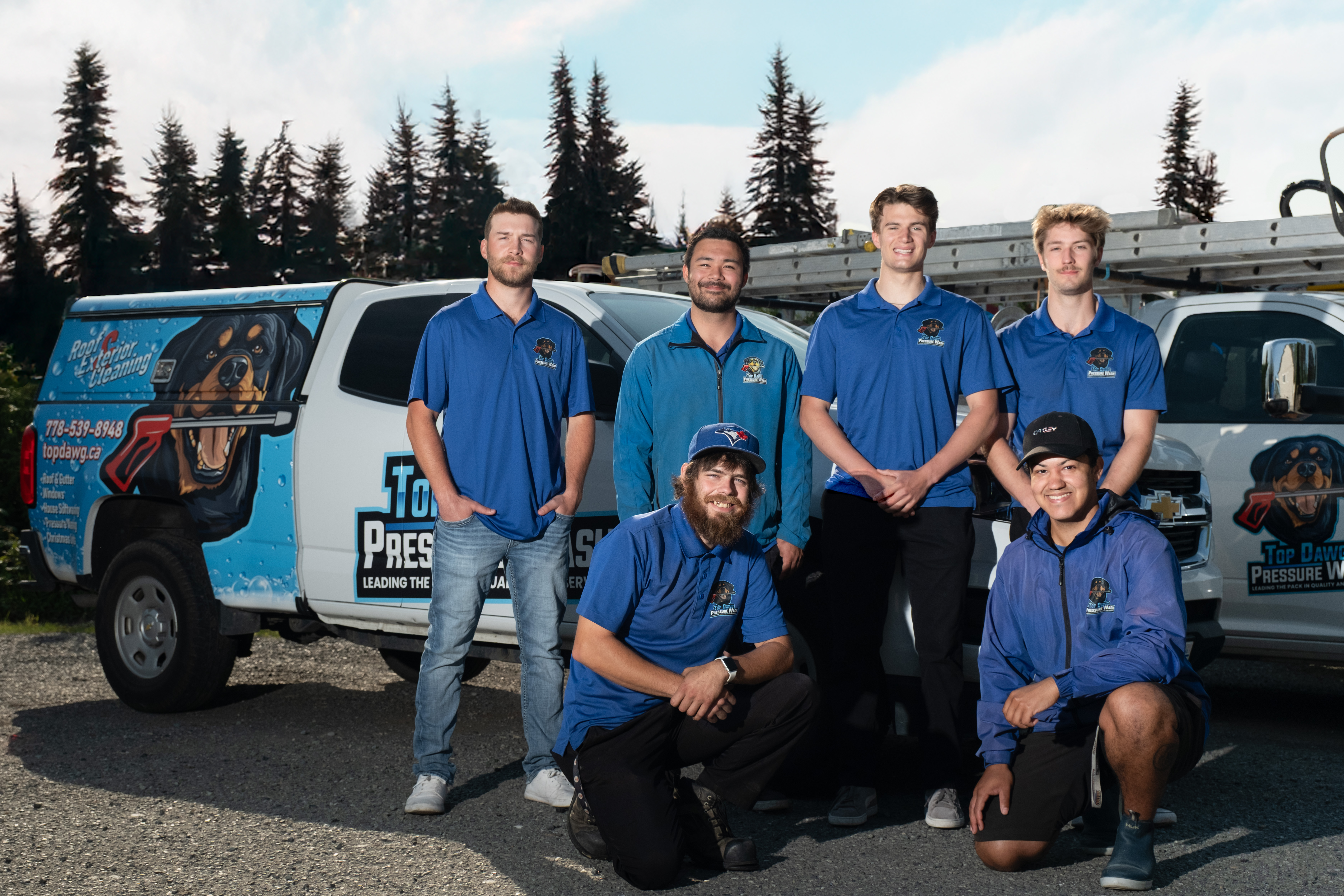
Need Help With Driveway Pressure Washing?

Pressure washing your driveway is one of the most effective home maintenance tasks you can complete. Done properly, it removes years of grime while protecting the surface from long-term deterioration. Follow the steps above for reliable DIY results, or call a professional when the job requires specialized equipment. Either way, a clean driveway protects your investment and improves the appearance of your entire property.

Ready to get your driveway professionally cleaned?

Share this post